
We are generally accustomed to associating the Renaissance with the valorization and revival of classical culture, the exaltation of the rational spirit, and the principle of order. But the period between the crisis of the Middle Ages and the birth of the Baroque era also revealed another face: that of the Counter-Renaissance, which arose and developed within the humanist intellectual revolution. Its distinctive characteristics were a rejection of the traditional exaltation of reason, a search for truths rather than for truth, the coexistence of order and disorder, and the emphasis on imagination and emotion. Here, Aurelio Musi traces the different facets of one of these sentiments, melancholy, through the life and thought of several key figures of the European Renaissance: Erasmus of Rotterdam and his mad world, Martin Luther and his "tristitia," Marsilio Ficino and the melancholy of genius, Michel de Montaigne and his homeless soul, Giordano Bruno and Tommaso Campanella, and Torquato Tasso. The music of the madrigal, with its melancholic composers, is almost the soundtrack of this civilization at the roots of our modernity.
Back to catalog 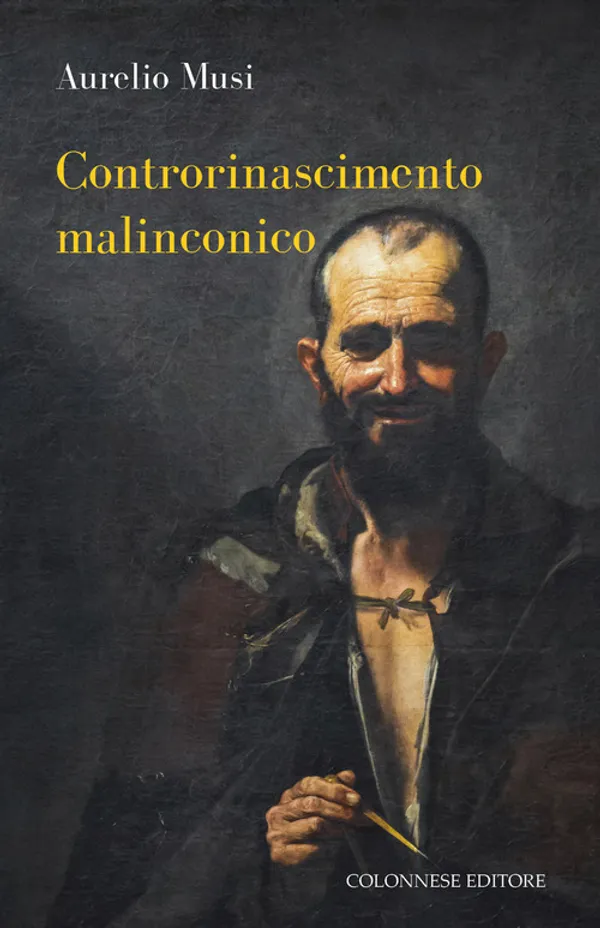
Passaggi
Controrinascimento malinconico
14,00 EUR
Book details
ISBN 9791281142381
Pages 204 Illustrato
Format 11 x 17 cm
Collection Passaggi